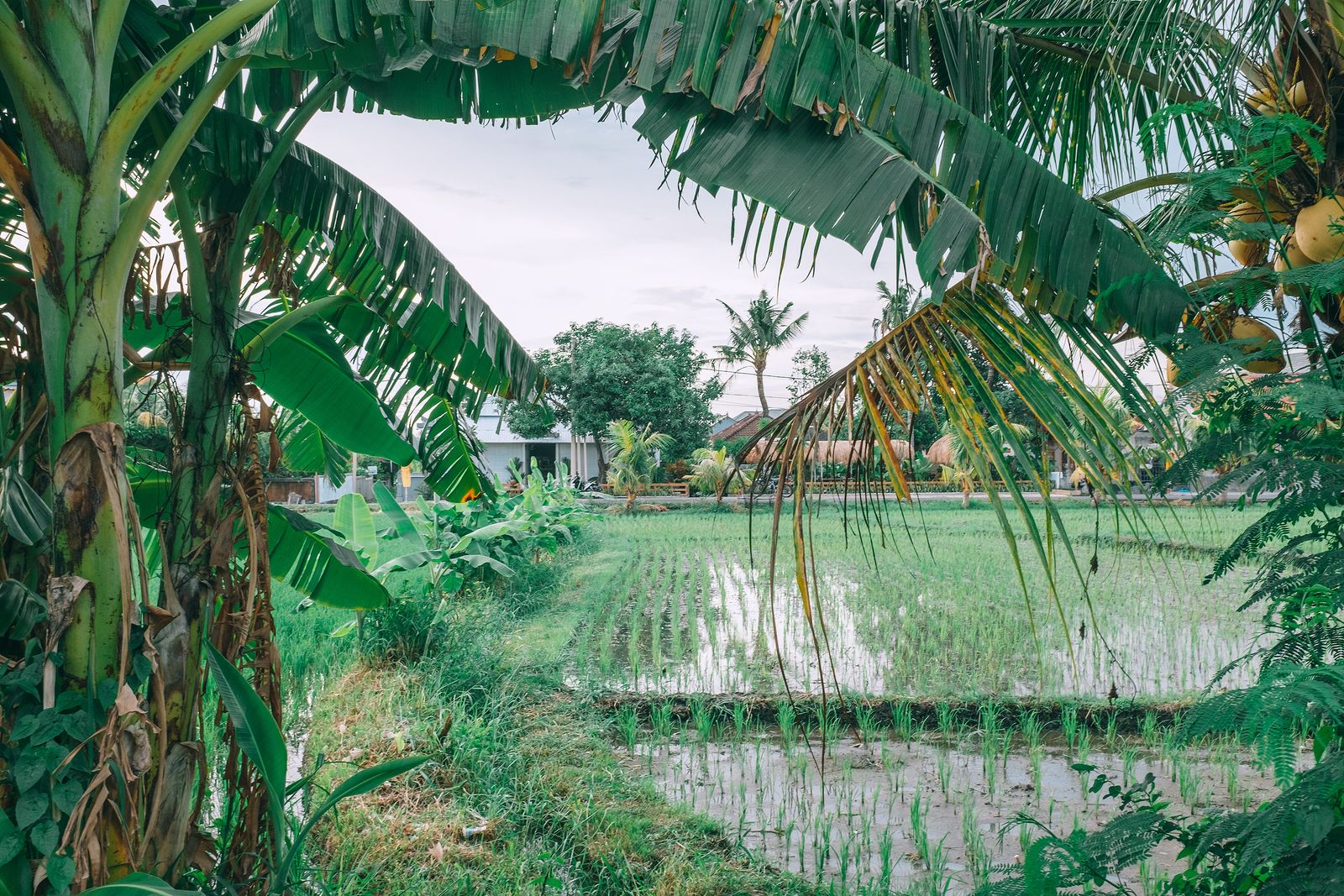
From the shell to the water — every part of the coconut has a purpose. We built Adobha Agro on this single truth, processing it with cold-press Mara Chekku tradition that's been proven for centuries.
The coconut palm — Cocos nucifera — produces the world's most nutritionally dense seed. Unlike commodity crops that yield a single product, coconut unlocks multiple revenue streams from a single harvest: oil, water, milk, flour, shell charcoal, coir, and toddy.
India grows over 20 billion coconuts a year, yet the majority of processing value leaves the farm gate. We reverse that. By controlling the process from contracted farm to finished product, Adobha Agro captures the full value of every nut.
Mara Chekku cold-press — traditional wooden bull-driven press — below 49°C. No bleaching. No deodorising. No hydrogenation.
A single coconut yields multiple valuable products. Our vertically integrated model captures each one — reducing waste and maximising value for farmers and consumers alike.
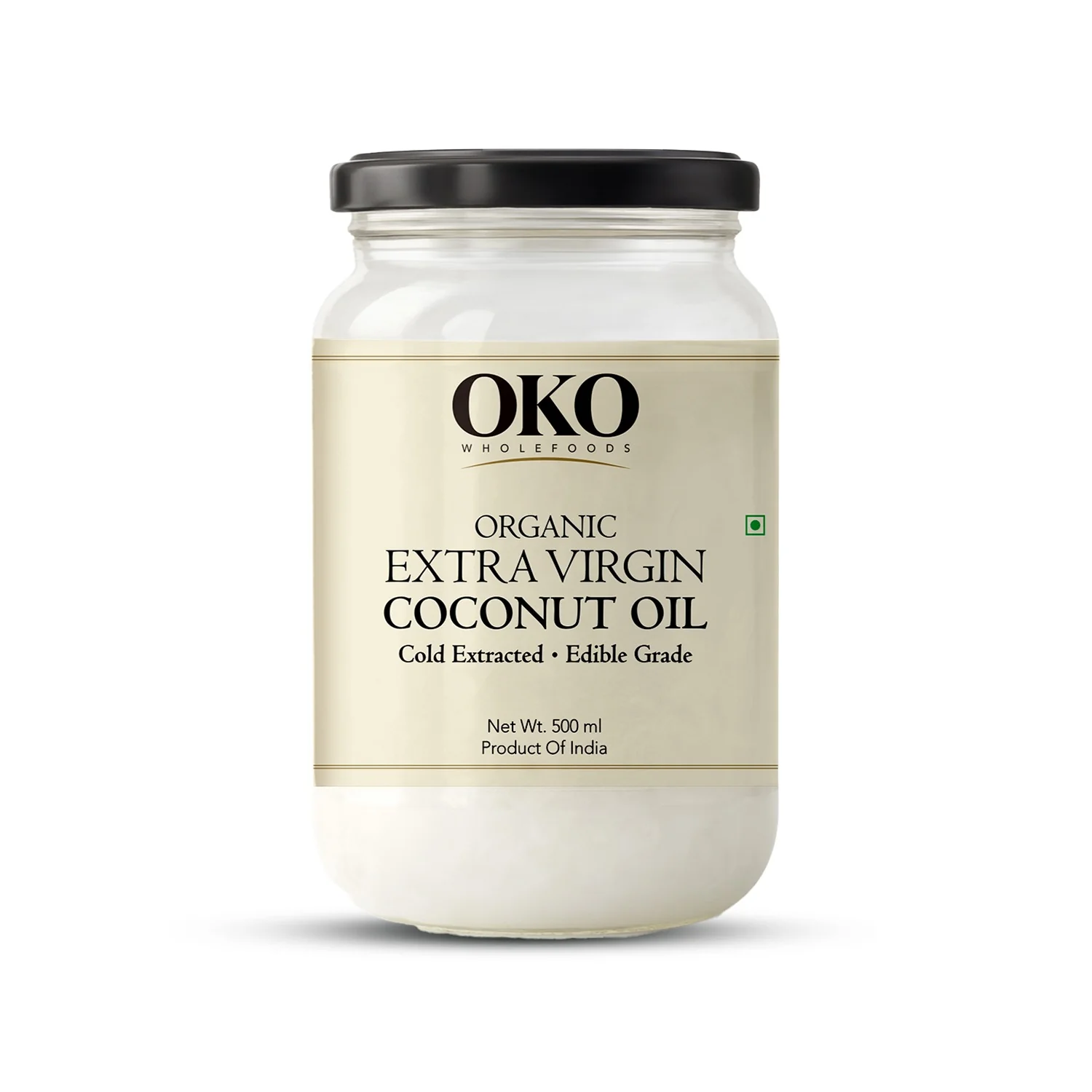
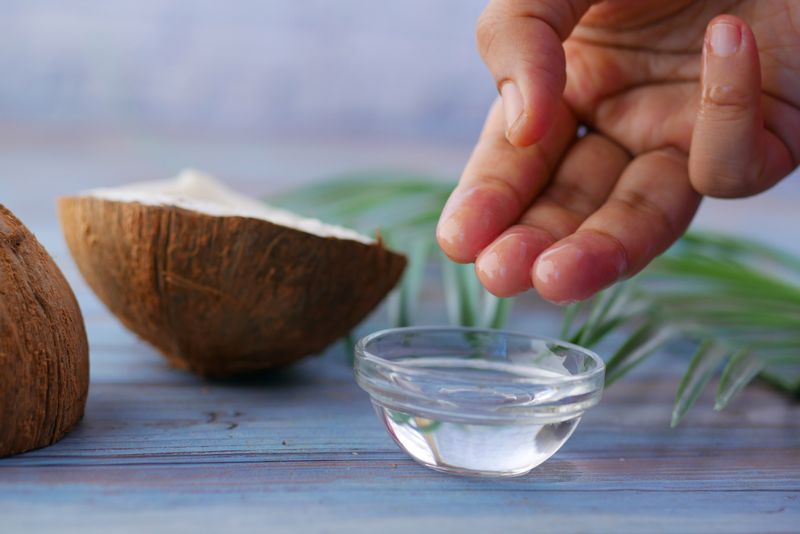
Cold-pressed below 49°C using Mara Chekku tradition. Retains full MCT profile, lauric acid, and natural antioxidants lost in refined oils.
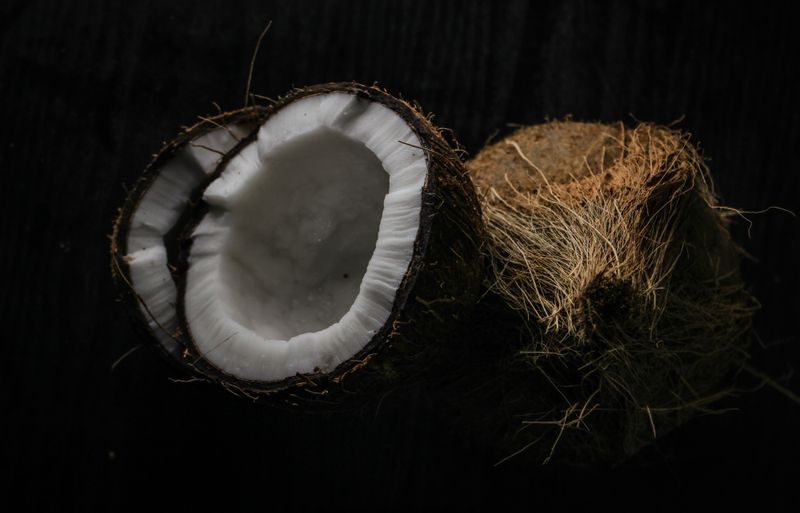
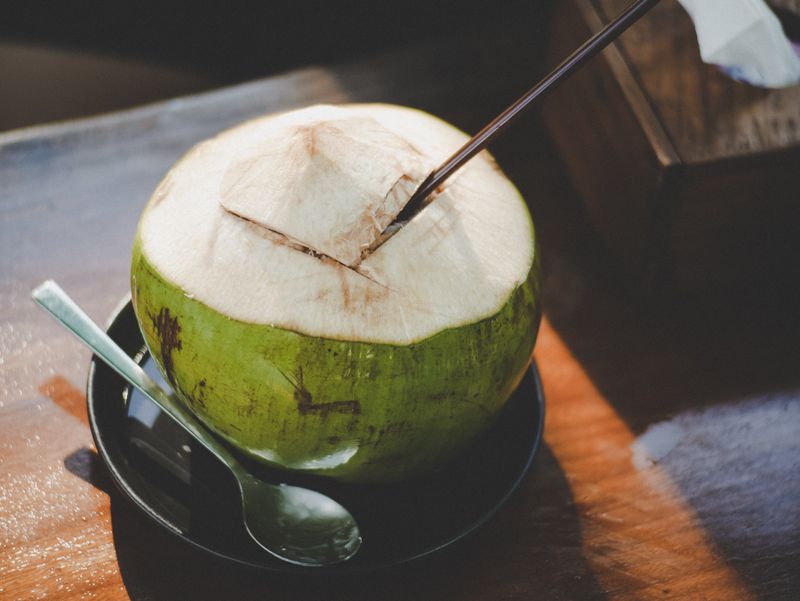
Nature's isotonic drink — rich in electrolytes, potassium, and cytokinins. Harvested from young green coconuts before the meat matures.
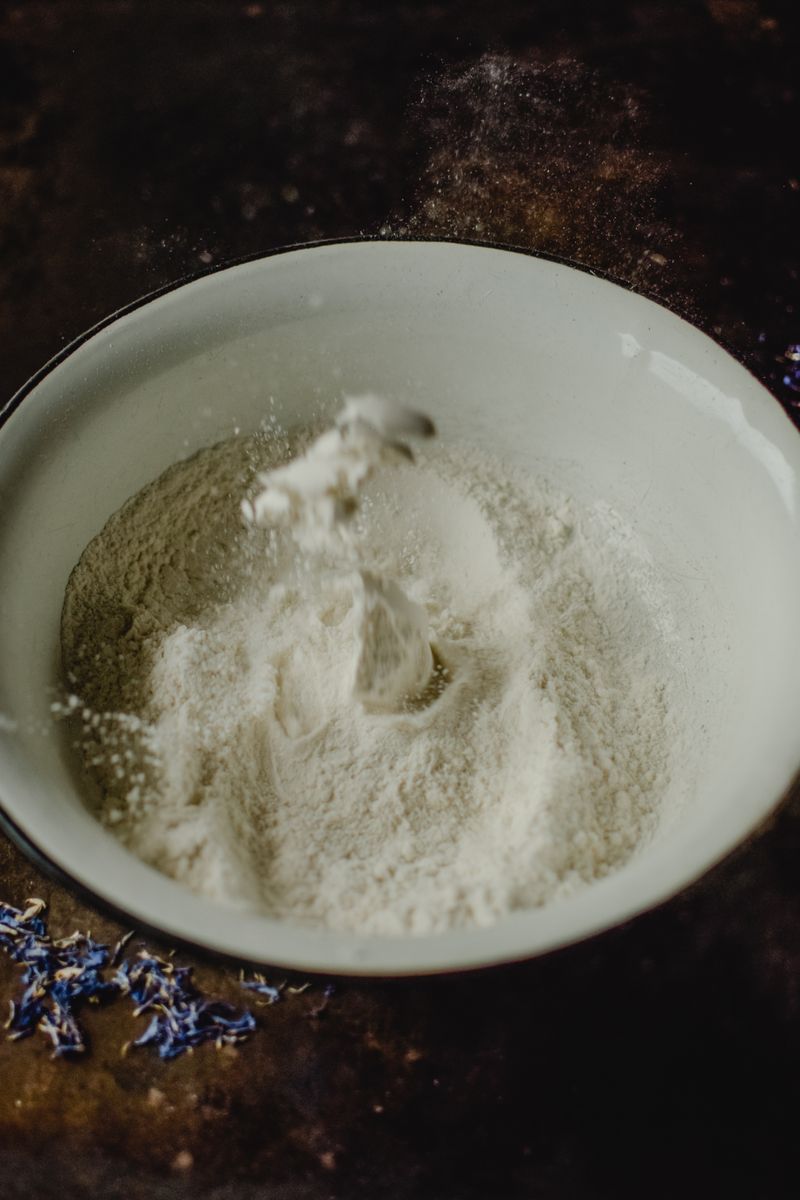
High-fibre, gluten-free flour milled from the defatted coconut meat. Lower glycaemic index than wheat — ideal for diabetic-friendly baking.
Rich, creamy milk extracted from fresh grated coconut meat. High in healthy fats and a natural dairy alternative with full flavour.
Unrefined sugar tapped from the coconut palm flower blossom. Retains trace minerals and has a lower glycaemic index than cane sugar.
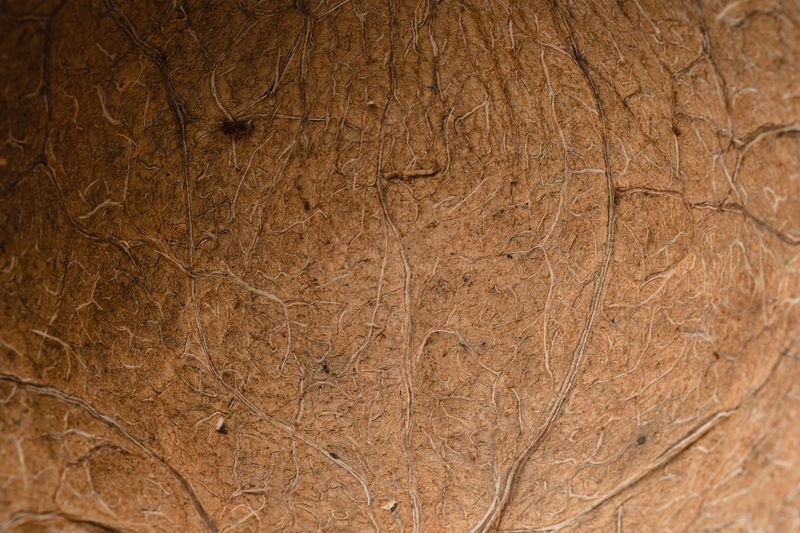
Coconut shells yield activated charcoal for water filtration. The fibrous husk becomes coir — used in biodegradable packaging, mats, and soil conditioning.
Temperature is the enemy of nutrition. Conventional RBD (Refined, Bleached, Deodorised) coconut oil is processed above 200°C, destroying the MCTs and polyphenols that make coconut oil valuable.
Virgin coconut oil contains ~50% lauric acid — a medium-chain fatty acid with powerful antimicrobial properties. Only found in this concentration in breast milk and coconut oil.
MCTs are metabolised directly in the liver for rapid energy — unlike long-chain fats that require bile acids and lymphatic transport. Ideal for ketogenic and active lifestyles.
Mara Chekku presses never exceed 49°C. This preserves the full polyphenol content, natural vitamin E, and the delicate aroma that marks genuine virgin coconut oil.
A 2020 study in Evidence-Based Complementary and Alternative Medicine found that virgin coconut oil significantly improved HDL cholesterol and reduced waist circumference compared to refined soybean oil over 12 weeks of daily consumption.
India produces over 20 billion coconuts annually, yet 80% of processing is fragmented across thousands of unregulated units. The result: inconsistent quality, poor farmer income, and a commodity-grade product that loses premium positioning at retail.
Adobha Agro's answer is vertical integration — contracting directly with farming families in Tamil Nadu and Kerala, processing in our own certified units, and distributing under our own brands. The farmer earns more. The consumer gets better. The planet wastes less.
Traditional wooden cold-press — unchanged for 2,000 years
Mature coconuts (11-12 months) are hand-harvested and visually inspected at farm gate. Only Grade-A nuts enter our supply chain.
Shells are dehusked within 24 hours. Meat is dried below 60°C using solar-assisted dryers — never open sun or kerosene smoke drying.
Dried copra is pressed using the traditional wooden Mara Chekku press. Temperature never exceeds 49°C — protecting all heat-sensitive nutrients.
Raw oil is allowed to settle naturally for 24-48 hours. No centrifuges. No chemical clarifiers. Only gravity filtration through food-grade cloth.
Every batch is third-party tested for FFA, moisture, peroxide value, and microbial count before bottling under FSSAI and ISO 22000 conditions.
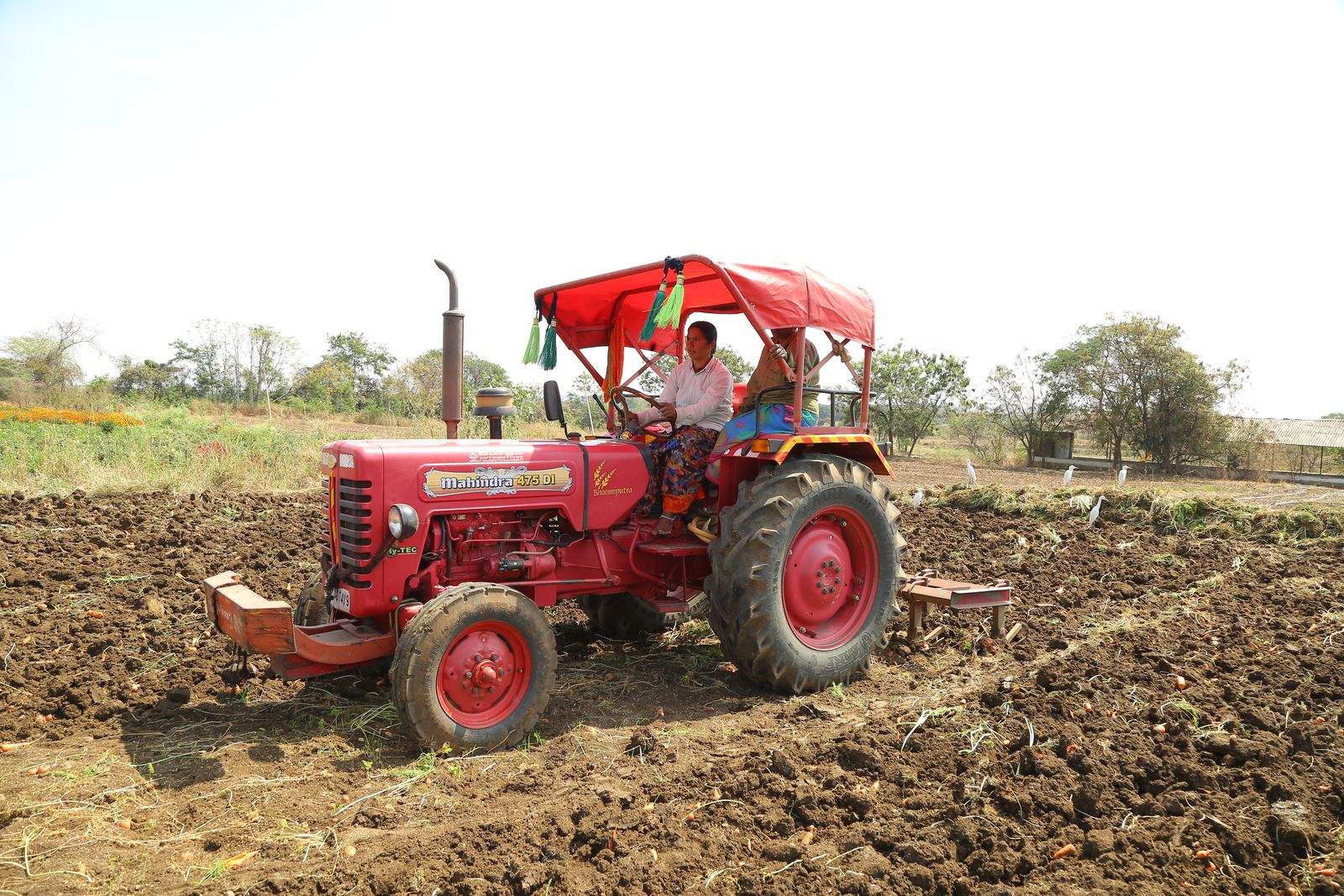
Every product we sell traces back to a contracted farming family. We pay above-market prices, provide agronomic support, and share the premium we earn at retail. This is how sustainable supply chains get built.